After conducting a few more interviews, I am becoming more comfortable with talking to people that I do not know too well. Because of this, I feel like I am creating a more relaxing environment for the people we are interviewing because there is one less person in the room that is uncomfortable. In addition, I feel as though I have improved my interviewing skills by making it feel more like a conversation instead of an interview by asking follow up questions and generally making more verbal reactions to what I am hearing.
November 2018: Sophia
Julia and I tried approaching someone and asking them if they wanted to be interviewed instead of giving them notice and time to possibly prepare. It was hard to find someone that did not look too busy, as many people were working on homework during that time. The first person we asked agreed to talk to us and although she admitted to being nervous, the three of us were able to have a pleasant conversation together. I feel that by doing this we are going to get responses that are more real instead of having someone prepare something that might not be as genuine.
November 2018: Julia
Sometimes during the interviews, the people that we are interviewing are very short with their responses, so I have been having some difficulty trying to find a way for the conversation to keep going, without it feeling forced. I do understand that some people are more shy than others, but when they reply with one word answers, it makes it difficult. I have been trying to elaborate on their responses, trying to make it seem like I understand, but still want to know more. I have found that this is very helpful and I am hoping to learn some more techniques in the near future to keep the conversation going smoothly and not forces.
November 2018: Julia
As Sophia and I have conducted two more interviews, I feel as if we are starting to grasp a better understanding of how they should go. Obviously, every interview is their own and that is what makes each one unique, but we have now have a routine. I, personally, feel more comfortable when I am interviewing people, but still hesitate sometimes. I do not know if some things are too personal, or if they are actually interested in talking about a certain topic, so I just try to guide the conversation at first and see where that takes them.
Eliza ’19
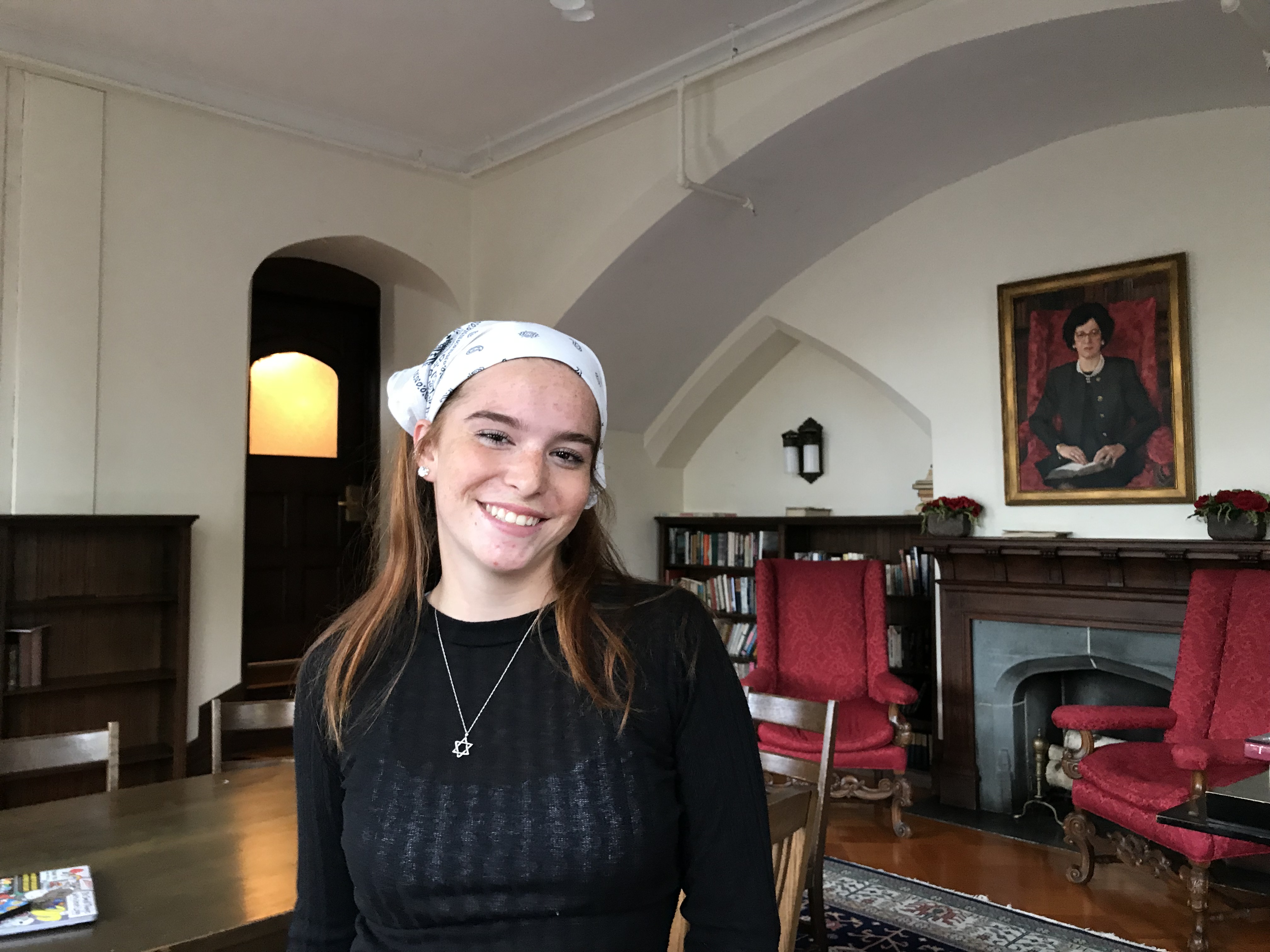
“The place where I can be myself the most is on the water when I’m rowing. At crew, there is nothing else going on, other than what you are doing in that exact moment. Your only job is to pull as hard as you can on the water and follow the person in front of you. This forces you to not think about anything else because you have to be so focused on that one job. Crew has shown me how to be a team player because all four of you have to be rowing in sync, at the same pressure, and at the same time. This really forces you to form a relationship with your teammates and be in sync with them so that is a skill that I have acquired.”
Selection Process- Julia (October)
Sophia and I sent out a mass email to the Emma community, asking people if they could email us back if they were interested in being interviewed. We received many responses which were good because now we know what number we have to work with. I am a little concerned with the number of faculty members and the lack of diversity, as only three faculty members volunteered and primarily white, day students are interested in being interviewed (those who responded to the email). We are hoping that as this project progresses, we will be able to approach people without warning, to gain a more true response.
Reflection- Julia (October 2018)
As Sophia and I have completed interviews with two current students and four alums, I have begun to notice that it may take me some time to get used to interviewing people that I am not close with. I was aware that this would happen, but even when I was interviewing my friends, it felt a little awkward, so I hope to make the entire interview more comfortable for myself, Sophia, and the person that we are interviewing. I am looking forward to all of the interviews that are coming in the future and I feel confident that we will overcome this.
Splitting the Work Load- Sophia Oct 2018
Before we began interviewing, Julia and I thought about how we were going to evenly split up the work so one person would not be doing more than the other. We were not interested in the idea of doing separate interviews, at least until we become more comfortable with the whole process. We decided that I would take care of the photos and Julia would record the interview and pick out the pieces that we would like to share. She then posts the interview to Instagram, and I post them on our blog. So far, this system has been working very well and we have been able to post a couple of interviews and we have been receiving positive feedback.
Reflection- Sophia Oct. 2018
Julia and I have now completed two interviews with current students. It was not a surprise to me that I was slightly uncomfortable when talking to them. The thought occurred to me during the first interview that if I am uncomfortable, the other students probably are too. When we were finished, the student we were talking to gave us a tip that was very helpful. She recommended that we think about little things such as making eye contact and nodding our heads to show that we are still listening and that we care about what someone is talking about. During our second interview, I took her advice in an attempt to make the student more comfortable, and because it made her more relaxed, I felt the same way and we were able to have a very nice conversation.
Anna ’19
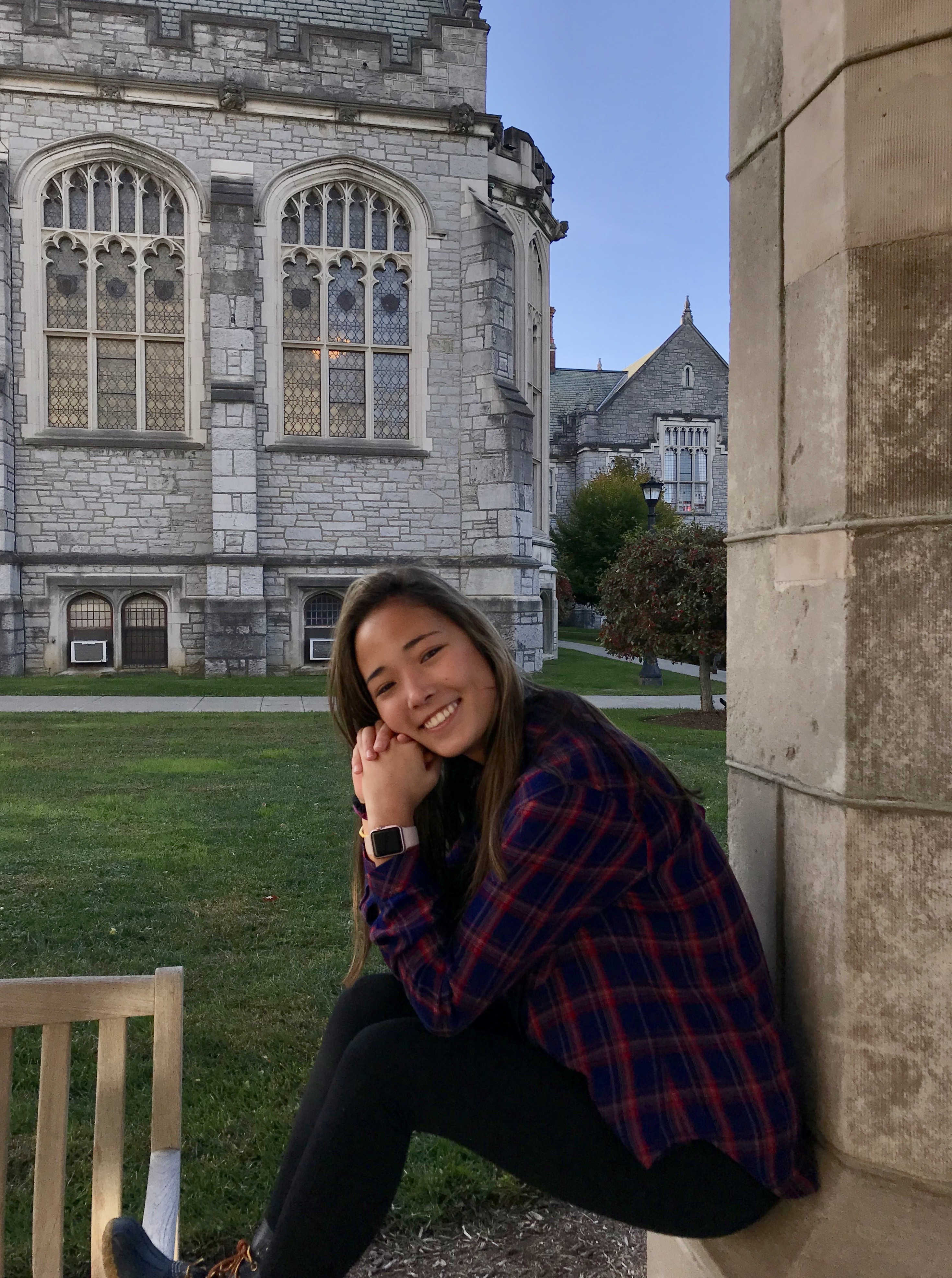
“The thing that I’m most afraid of is losing someone that I love. As generic as that sounds, growing up adopted, I get really attached to the people that I love, and it is really scary when they end up leaving. My birth mother left me the day after I was born, and even though I don’t remember that, not being held can really affect your mind so I would consider that to be a big part of who I am today. Obviously, if she hadn’t left, my life would be so different. I probably wouldn’t be living in America, so some things do end up working out for the better, but I’ve learned that you have to go through a struggle to come out on the other side.”
 Humans of Emma Willard School